
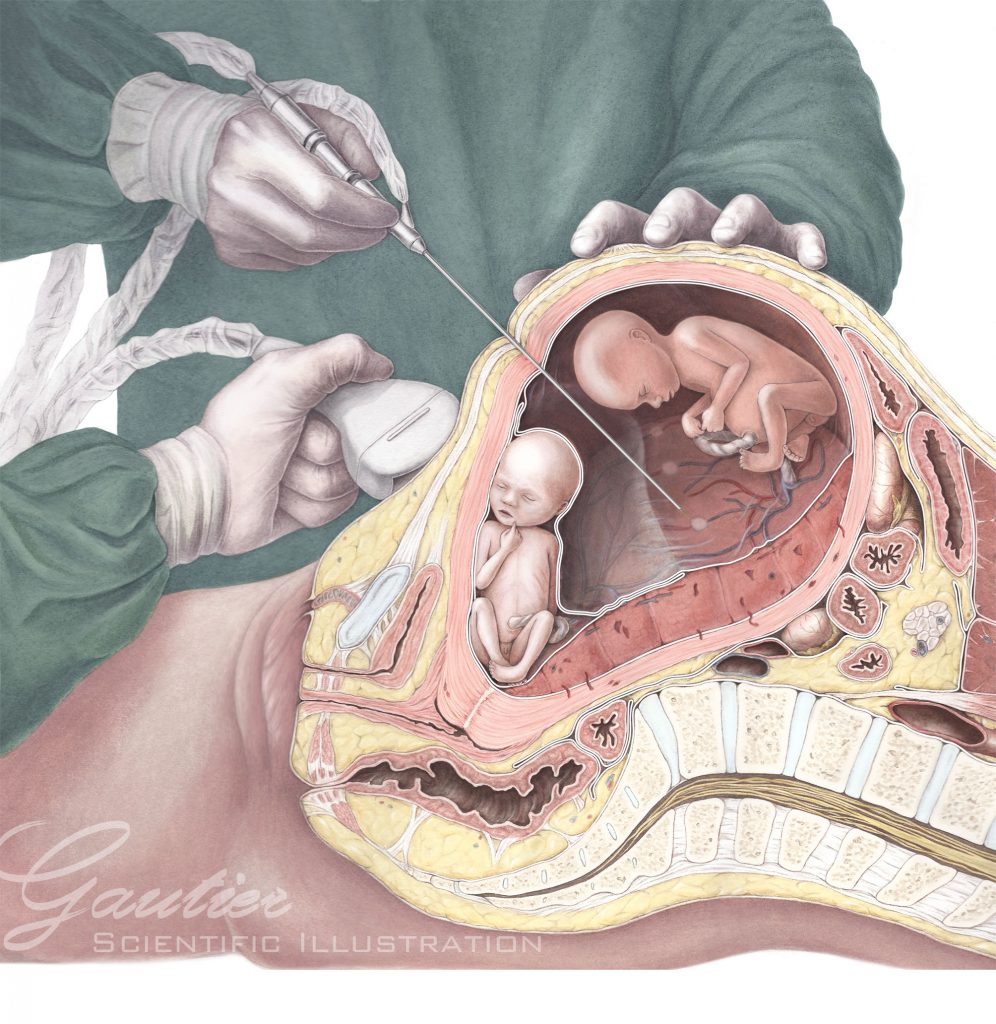
Fetal Reduction

Fetal reduction is a medical procedure used to reduce the number of fetuses in a multiple pregnancy, typically to improve the health outcomes for the remaining fetuses and the mother. This is usually recommended when a multiple pregnancy poses significant risks such as preterm birth, developmental issues, or complications for the mother. By reducing the number of fetuses, the likelihood of carrying the pregnancy to term and the overall health of the remaining fetus or fetuses are improved. We understand that this decision is entirely personal and challenging. Our goal is to provide compassionate care and support throughout the process, while also being transparent about the fetal reduction cost.

When is Fetal Reduction Needed?

Fetal reduction is considered in various situations, including:

High-Risk Multiple Pregnancies

Multiple Pregnancies

When a woman is pregnant with two or more fetuses, the risks of preterm birth, low birth weight, and developmental complications increase significantly.

Selective Reduction for Health Concerns

Health Concerns

In some cases, one or more fetuses may have a severe medical condition affecting survival or others' health. Reduction may be advised.

Maternal Health Concerns

Maternal Health

If the mother has medical conditions, reducing multiple fetuses can help lower complications and physical strain.

Fetal Reduction Procedure

The fetal reduction procedure involves reducing the number of fetuses in a multiple pregnancy.

Consultation and Evaluation

The process begins with a thorough consultation and evaluation with a specialist. The doctor will discuss the reasons for considering fetal reduction, risks involved, fetal reduction cost, and the potential benefits for the mother and the remaining fetuses.

Ultrasound Guidance

The procedure is performed under ultrasound guidance to ensure precision and safety. This allows the doctor to monitor the position and health of the fetuses throughout the procedure.

Anesthesia

The mother may receive a local anesthetic to minimize discomfort during the procedure. General anesthesia is rarely used, as it is generally considered unnecessary for this type of procedure.

Reduction Process

A fine needle is inserted through the mother’s abdomen and guided by ultrasound to the selected fetus. A solution is then injected to stop the fetal heartbeat. The fetus is then naturally reabsorbed by the body over time.

Post-Procedure Monitoring

After the procedure, the mother will be monitored to ensure there are no complications. Follow-up ultrasounds will be scheduled to check on the health of the remaining fetus or fetuses.

Fetal Reduction Timing

Fetal Reduction Timing

The timing of the fetal reduction procedure is crucial for its success and the health of the remaining fetus or fetuses. The procedure is typically performed between 10 and 14 weeks of pregnancy, though it can be done slightly later if necessary. This early timing allows for better outcomes and reduces the risks of complications.

How is the Fetus Selected for Reduction?

Selecting the fetus for reduction is a careful medical decision based on multiple factors.

  • Health and Development: Each fetus is evaluated. Those with abnormalities may be selected to improve overall outcomes.
  • Position in the Uterus: The position of fetuses is considered to reduce procedural risk.
  • Medical Advice: Final decisions are made with expert medical consultation based on the mother’s condition.

We provide clear guidance on both the procedure and cost to support informed decisions.
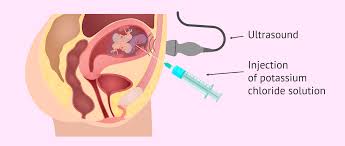
Fetal Reduction

Frequently asked questions

Fetal reduction is a medical procedure to reduce the number of fetuses in a multiple pregnancy, typically to improve the health outcomes for the remaining fetuses and the mother.

Fetal reduction is needed in high-risk multiple pregnancies, if one or more fetuses have severe medical conditions, or if the mother's health is at risk from carrying multiple fetuses.

The procedure is performed under ultrasound guidance. A fine needle is inserted through the mother’s abdomen to the selected fetus, where a solution is injected to stop the fetal heartbeat. The body then reabsorbs the fetus over time.

Risks include bleeding, infection, miscarriage, and potential complications for the remaining fetuses. Emotional support is also important as the procedure can be emotionally challenging.

Compassionate Care for Complex Pregnancies

Every pregnancy is unique and may involve important medical decisions. In certain cases, fetal reduction can help ensure a safer outcome for both the mother and the remaining baby. Our specialists provide precise, safe care with clear guidance and compassionate support at every step.

Book An Appointment